

Travel is as old as humanity itself. From the earliest nomads wandering in search of food to the jet-setting tourists of today, the urge to explore, discover and connect has been a fundamental part of our nature.
But how did travel actually start, and how has it evolved into the massive global industry we know today? Let’s take a light-hearted journey through the history and evolution of travel, with a glimpse of what the future might hold and why it matters to every one of us.
The Dawn of Travel: Why Did People Start Traveling?
Long before airplanes, trains, or even horses, humans traveled out of pure necessity. Our ancestors moved to hunt, gather and find better places to live. The earliest forms of travel were slow and dangerous crossing harsh landscapes with nothing but the clothes on their backs.
As civilizations grew, travel took on new purposes. Trade routes like the famous Silk Road connected East and West, allowing not just goods but ideas, cultures and religions to flow between distant lands. Pilgrimages to sacred sites became common, while rulers sent emissaries across kingdoms. Travel was a way to expand horizons, whether for survival, commerce, faith, or diplomacy.
How Did They Travel?
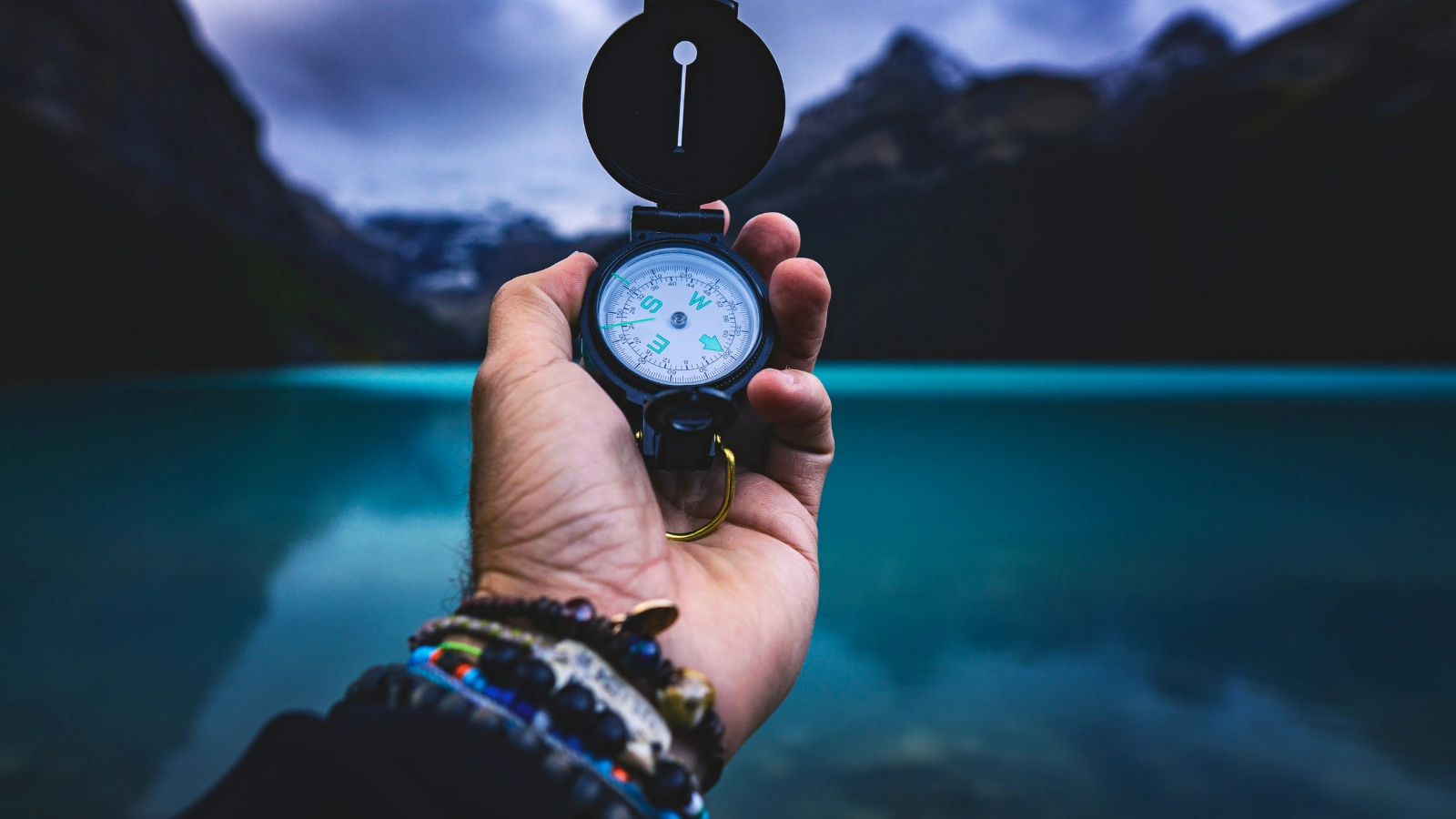
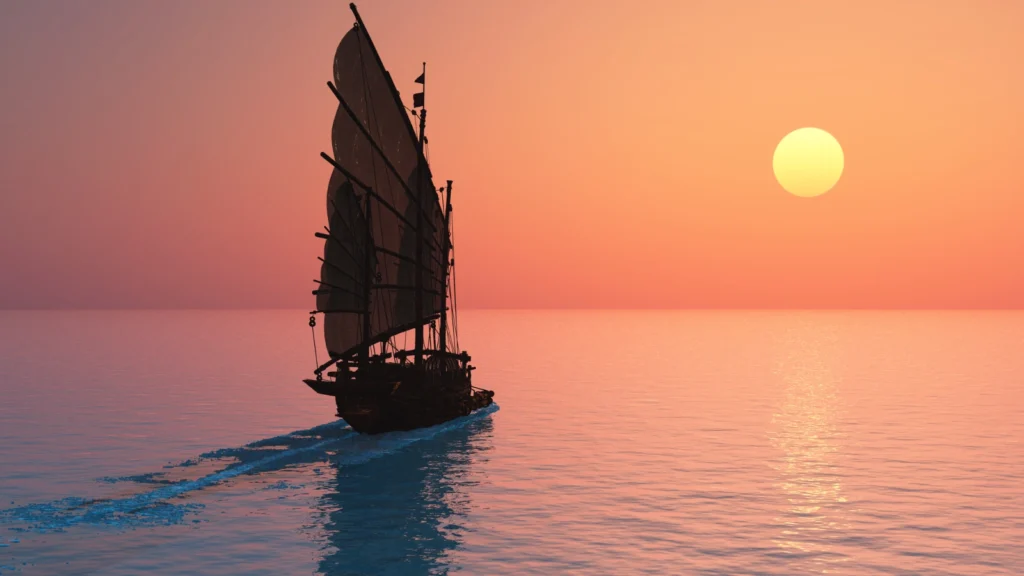
Imagine traveling hundreds of miles on foot or by animal-drawn carts, with no maps or GPS! Early travelers depended on stars, rivers and the sun to navigate. The invention of the wheel, ships and later the compass revolutionized travel, making it faster and safer.
The Romans built an extensive network of roads that still inspire awe today. In medieval times, explorers risked storms and pirates to sail uncharted waters. The Age of Discovery in the 15th and 16th centuries saw adventurers like Columbus and Magellan push the boundaries of the known world.
The Modern Era of Travel: From Trains to Planes
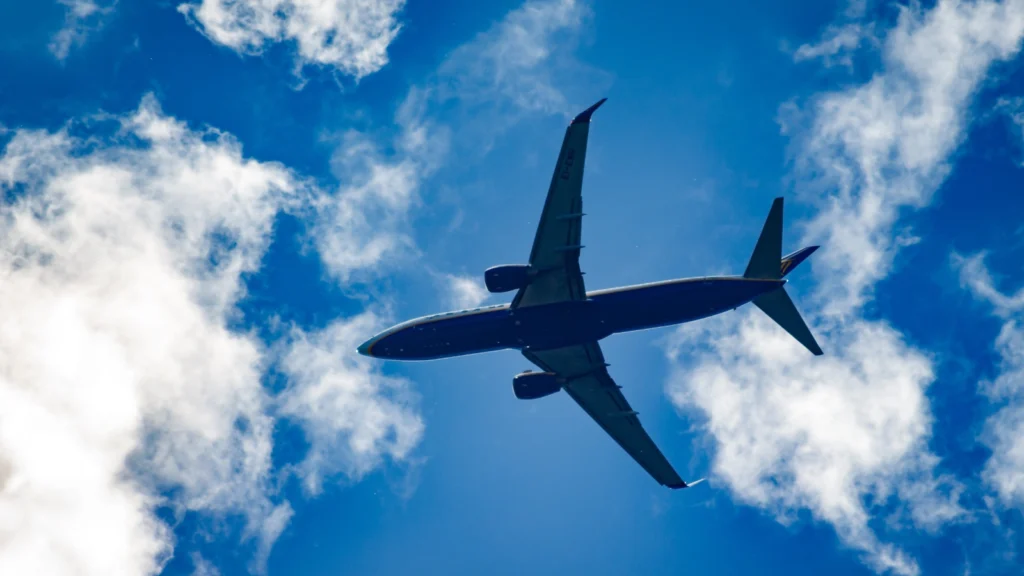
The Industrial Revolution brought steam engines and railroads, shrinking continents and making travel accessible to the masses. The 20th century introduced cars, airplanes, and eventually mass tourism.
Suddenly, what was once a perilous adventure became a weekend getaway or a dream vacation.
And here we are today booking trips, zipping across continents in hours, sharing our adventures instantly on social media and even planning space tourism!
Yes, it may sound like science fiction, but companies are seriously working on sending tourists to Mars within the next few decades. Imagine trading beach selfies for Martian landscapes!

Fun Fact: The First Recorded Tourist
Did you know the concept of tourism dates back to Ancient Egypt? Pharaohs built monuments for travelers, and even then, wealthy Egyptians would take trips to temples and festivals for leisure — some of the earliest examples of holiday travel!
How Has Travel Influenced Society?
Travel has always been a powerful force for cultural exchange and social change. Meeting new people and experiencing different ways of life broadens perspectives and promotes understanding. It has inspired art, music, cuisine and innovation.
On the flip side, travel has sometimes brought challenges colonialism, environmental impact and cultural disruption. Today, the focus is shifting toward responsible and sustainable tourism, which respects local communities and nature.
Is Travel Healthy?
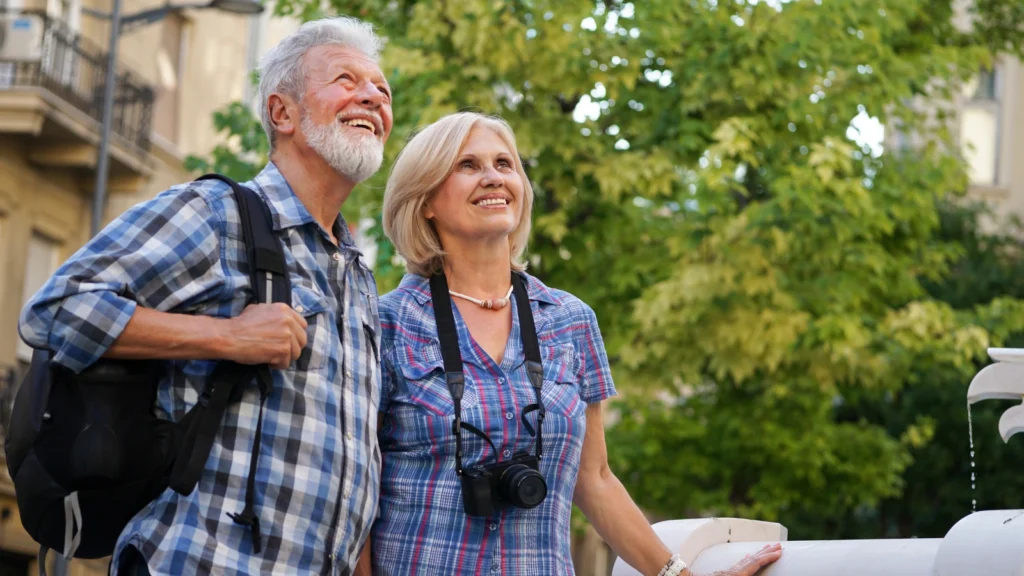
Absolutely! Travel refreshes the mind and body, reduces stress, and boosts creativity. It encourages physical activity, whether hiking a trail, strolling city streets, or dancing at a festival. For mental health, breaking away from daily routines helps gain new perspectives and improves well-being.
Travel also plays an important role for people of all ages. For kids and teens, it’s a hands-on education about the world. For adults, it’s a break and a chance to reconnect with loved ones or oneself. And for seniors, travel can bring joy, fulfillment, and social connection proving it’s never too late to explore.

Digital Tourism: Exploring the World from Your Couch
Thanks to technology, travel isn’t limited to physical movement anymore. Virtual reality (VR) and AI-powered tours let people with mobility restrictions or health issues experience wonders around the world. Imagine “walking” through the Louvre or diving into the Great Barrier Reef without leaving home!
Digital tourism is a growing trend, offering an inclusive way to explore and learn. It also reduces carbon footprints, making it a sustainable option for those who can’t or prefer not to travel physically.

Travel’s Impact on Nature and Sustainable Tourism
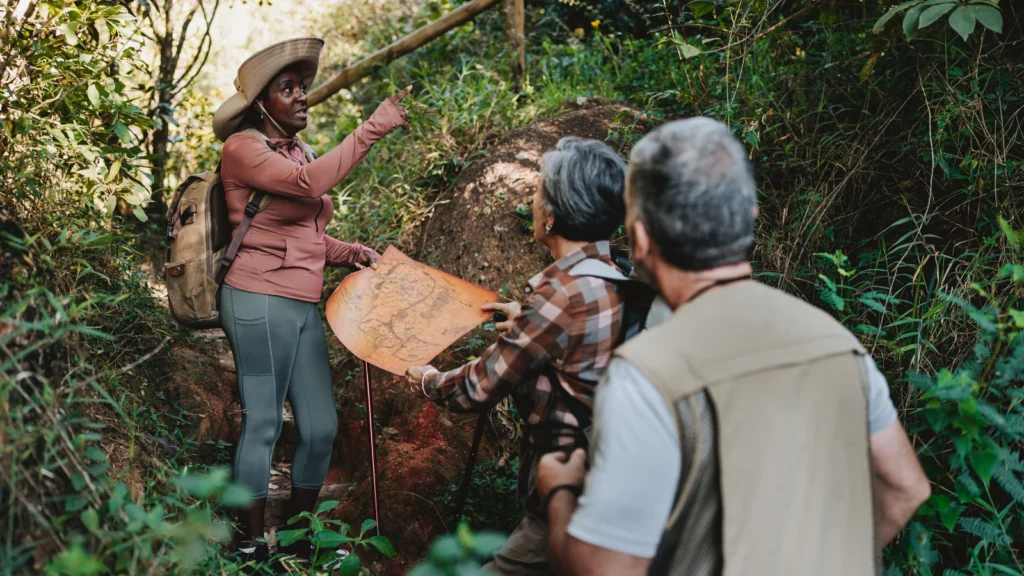
Unfortunately, the rapid growth of tourism has put pressure on ecosystems think overcrowded beaches, deforestation and wildlife disturbance. But there’s hope! Sustainable tourism focuses on minimizing environmental damage and supporting local cultures.
Simple actions like choosing eco-friendly accommodations, respecting wildlife, reducing plastic use and supporting local businesses help make travel a positive force. The future of travel lies in balance enjoying our planet’s beauty without harming it.
How Travel Shapes Our World and Ourselves
Every trip leaves a mark, not just on the traveler but on the places visited. Tourism can lift economies, create jobs and foster pride in cultural heritage. It connects people across borders and generations, building empathy and shared experiences.
As we look ahead, the essence of travel remains unchanged curiosity, adventure and connection. Whether it’s wandering ancient streets, marveling at natural wonders, or zooming through virtual worlds, travel feeds our souls.
So, what’s next?
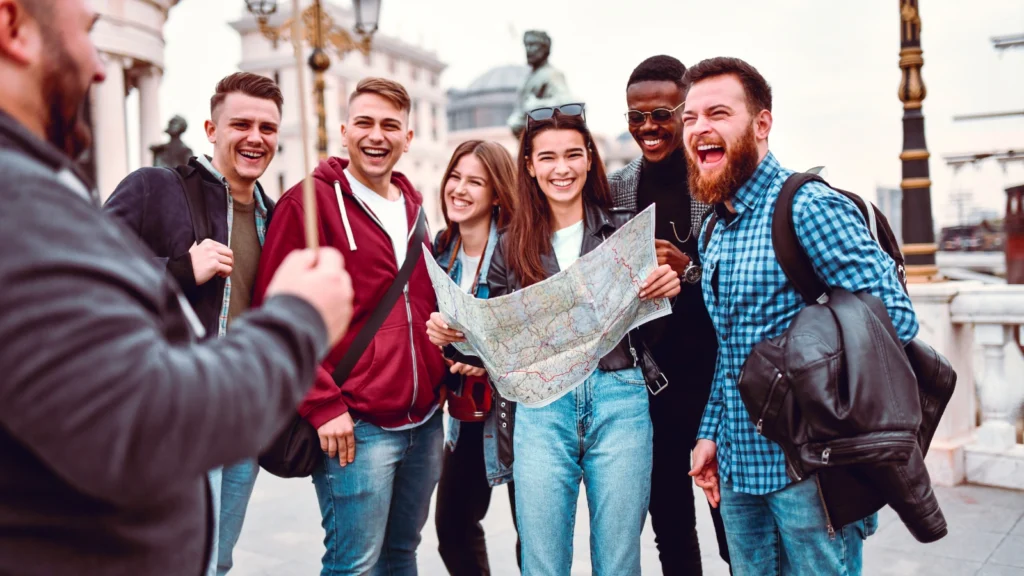
While packing for your next trip, maybe toss in a space helmet? Because who knows in a few decades, hopping on a spaceship to Mars might be just another vacation option!
Until then, let’s keep exploring, learning and caring for our amazing planet, one journey at a time.

