
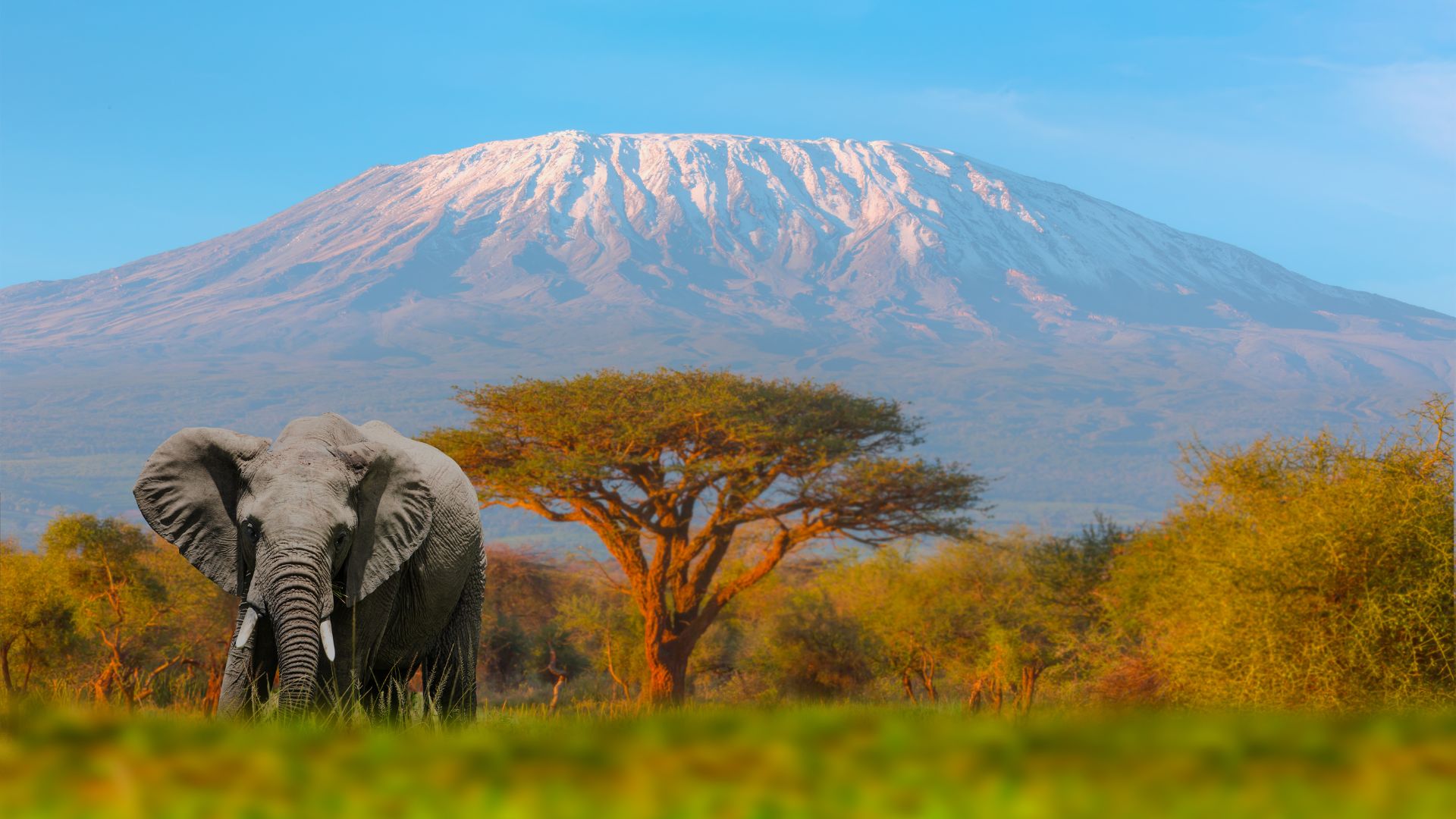
Standing tall at 5,895 meters (19,341 feet), Mount Kilimanjaro is Africa’s highest peak and one of the world’s most iconic trekking destinations. Located in northern Tanzania, near the Kenyan border, Kilimanjaro’s snow-capped summit rising above the savannah is both majestic and mysterious.
But what makes this dormant volcano such a magnet for trekkers across the globe? Why do people—from seasoned climbers to complete novices—choose to walk for days through dense rainforest, alpine desert, and arctic summit just to reach its peak?
For many, Kilimanjaro isn’t just a mountain. It’s a metaphor—a symbol of personal challenge, triumph, and transformation.
🌍 How It All Started: The Roots of Kilimanjaro Trekking
The name Kilimanjaro itself is shrouded in debate. Some say it comes from the Swahili words Kilima (mountain) and Njaro (whiteness or shining), referring to its snowy summit.
The mountain was first summited in 1889 by German geographer Hans Meyer, Austrian mountaineer Ludwig Purtscheller, and their Chagga guide Yohani Kinyala Lauwo. Lauwo, interestingly, was only 18 and wore no proper gear—proof that even then, Kilimanjaro demanded more grit than gear.
Initially known only among explorers and scientists, Kilimanjaro gained fame during colonial times and slowly turned into a global trekking goal. Over the decades, it has attracted adventurers, philanthropists, celebrities, and common folks alike.
🔥 Why People Started Trekking Kilimanjaro
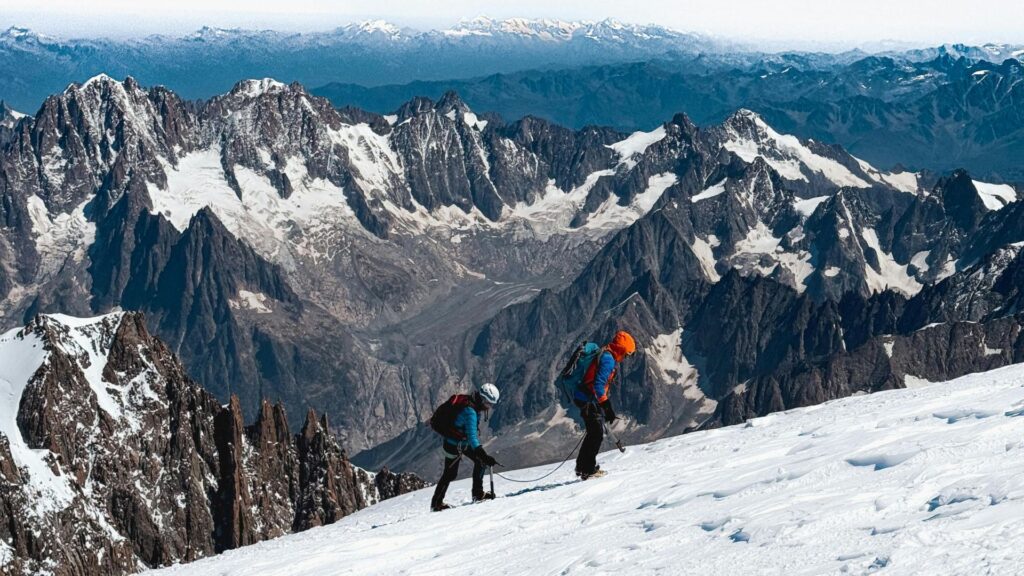
Unlike Everest or K2, Kilimanjaro requires no mountaineering experience. It’s one of the world’s highest walkable peaks, making it uniquely accessible for amateur trekkers. But don’t let that fool you—it’s not an easy stroll.
People climb Kilimanjaro:
- To challenge themselves physically and mentally
- To tick off the “Seven Summits” (the highest peaks on each continent)
- To raise awareness or funds for charitable causes
- Simply for the awe of walking above the clouds
Kilimanjaro’s varied ecosystems—from jungle to glacier—make it feel like crossing continents in a matter of days.
🎖️ Famous Names Who’ve Conquered the Peak
Kilimanjaro has seen an impressive list of high-profile summiteers over the years:
- Martina Navratilova, tennis legend, climbed for charity after surviving cancer.
- Justin Trudeau, Prime Minister of Canada, climbed in 2002 for a clean water cause.
- Jessica Biel, Emile Hirsch, and Isabel Lucas summited as part of the “Summit on the Summit” initiative to highlight global water issues.
- Indian celebrities like Milind Soman and many corporate executives have taken on Kili as a personal endurance test.
Even children and octogenarians have done it, proving that age isn’t the barrier—altitude is.
Why Kilimanjaro Matters for Indian Trekkers
Indian trekking culture has exploded in the past decade. With the Himalayas at home, why go all the way to Africa?
Here’s why Kilimanjaro appeals to Indian adventurers:
- Seven Summit Goal: It’s the easiest of the seven, and a great place to start.
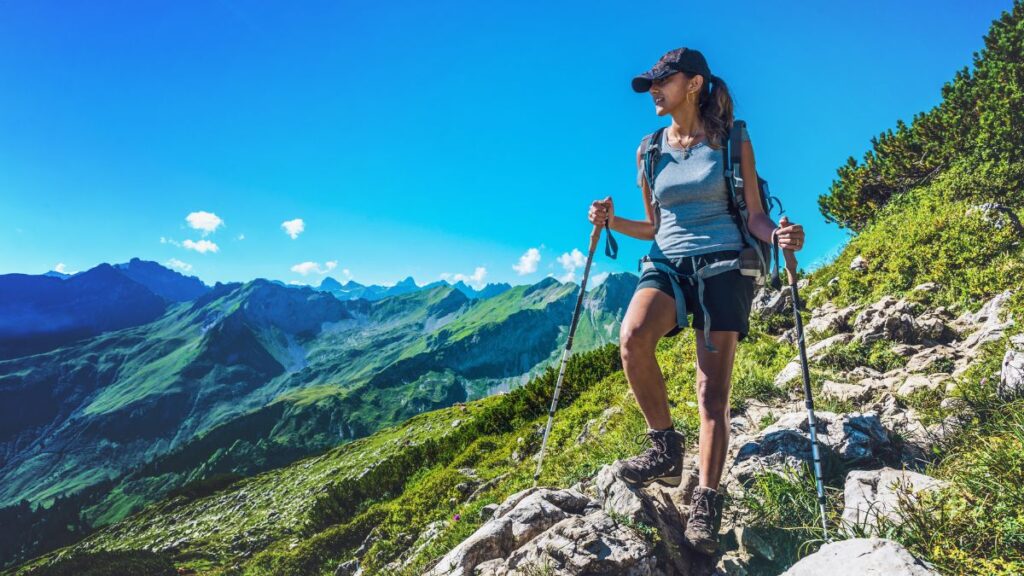
- No technical climbing: No ice axes, no ropes—just stamina and mental toughness.
- Unique experience: It offers landscapes that Indian treks don’t—like the moonscape of the Shira Plateau and the icy walls of the summit crater.
- Visa-on-arrival for Indians in Tanzania, making travel logistics simpler than in many western countries.
📅 When to Go: Best Seasons to Trek Kilimanjaro
Kilimanjaro has two dry trekking windows, which are the best times to climb:
- January to mid-March: Slightly colder but with clearer skies. Great for photographers.
- June to October: The most popular season, with mild weather and stable conditions.
Avoid April–May and November due to heavy rains.Pro tip: If you want a full moon summit, plan your climb to sync Day 6 or 7 with a full moon date—it’s a surreal way to see the glaciers.
🗺️ Routes to the Roof of Africa
There are 6–7 official routes, each with its own character. For Indian trekkers, these are the most recommended:
- Machame Route (7 days): “Whiskey route” with scenic variety and good acclimatization.
- Lemosho Route (8 days): Less crowded, more gradual climb, best for success rate.
- Marangu Route (5–6 days): “Coca-Cola route” with hut accommodation, but lower summit success rate due to quicker ascent.
The average trek cost ranges from ₹1.5 to ₹2.5 lakh, excluding international flights.
✈️ How to Plan from India
- Fly to Kilimanjaro International Airport (JRO) via Ethiopian Airlines, Qatar Airways, or Kenya Airways.
- Book through a licensed Tanzanian trekking operator—or use an Indian adventure travel company that partners with locals.
- Prepare physically: 6–8 weeks of cardio, stairs, and leg strength.
- Get your travel insurance, vaccinations (yellow fever, typhoid, hepatitis), and visa on arrival sorted.
- Pack for varied climates—from 30°C at base to -10°C at summit!
🧭 Final Thoughts: Why Kilimanjaro is More Than a Trek
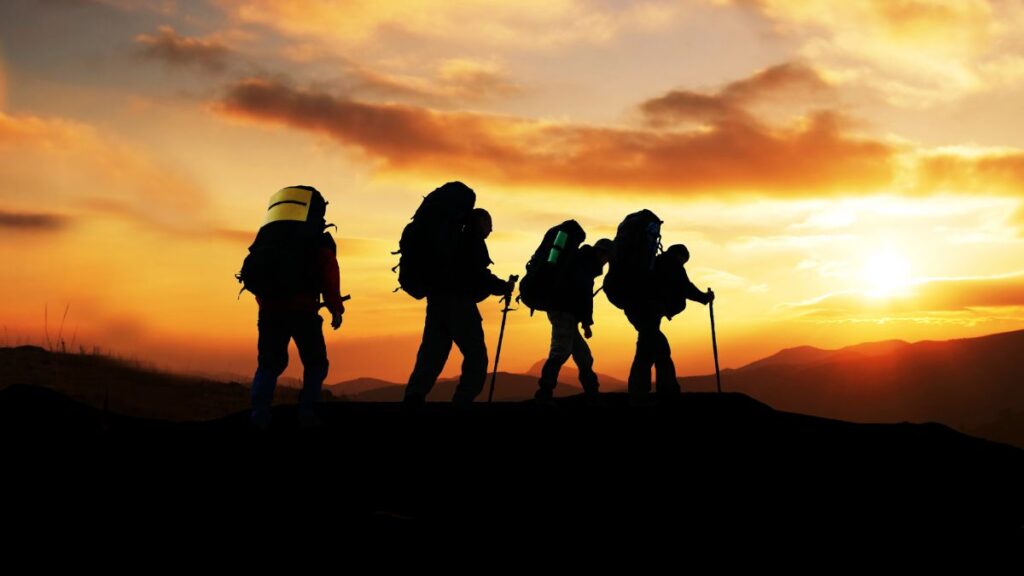
Reaching the summit of Kilimanjaro is not just about walking to a high place—it’s about walking into a higher version of yourself. Every sunrise above the clouds, every breathless step at 5,000 meters, reminds you of the immense beauty and challenge that life holds.
For Indian trekkers seeking more than a trail—seeking purpose, perspective, and global adventure—Kili is a rite of passage.
So if you’ve climbed in Himachal, hiked to Kedarkantha, or done the Valley of Flowers—it might just be time to take your boots to Africa and say, “Pole pole” (Swahili for “slowly, slowly”)—all the way to Uhuru Peak.

